Overhead pressing
Position the torso and head while preserving bar or dumbbell clearance. Bench angle, lumbar contact and overhead room all remain part of the setup.


AMM · Shoulder Applications
Find overhead pressing and shoulder accessory variations, including supported rear-delt work and cable or dumbbell raises.
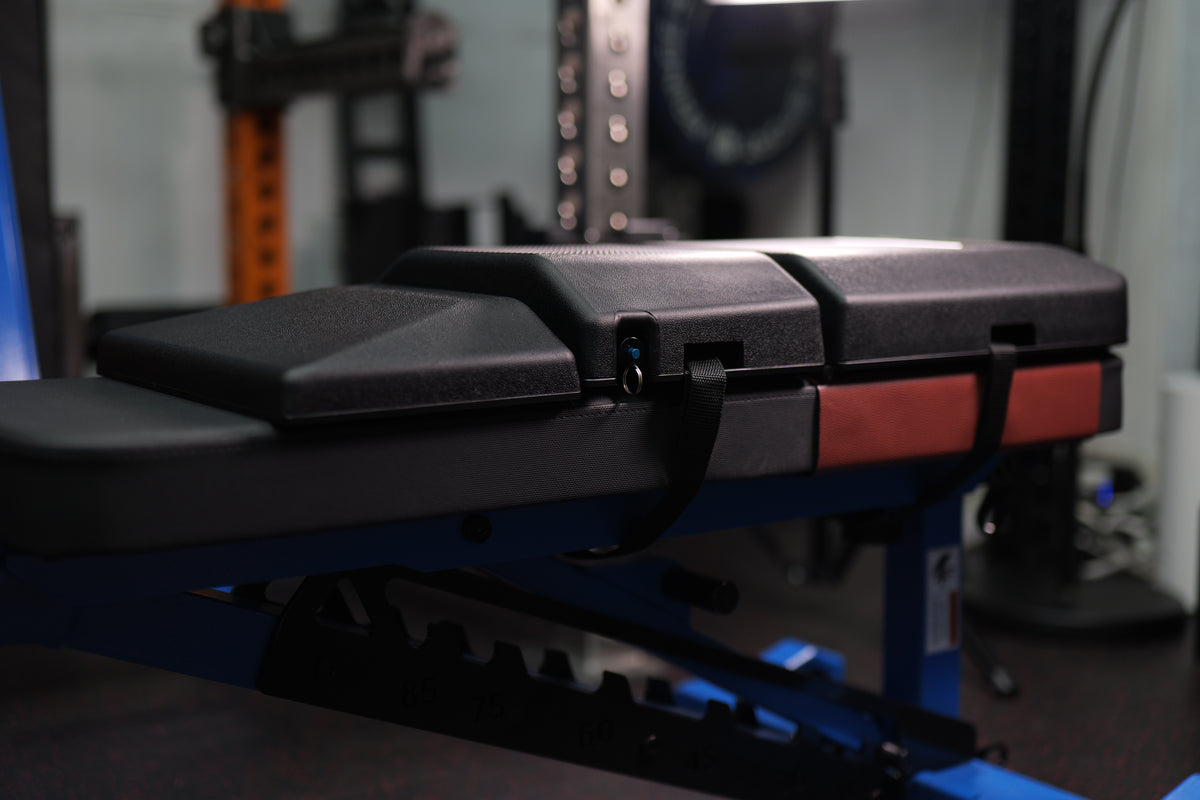
01 · Application logic
Position the torso and head while preserving bar or dumbbell clearance. Bench angle, lumbar contact and overhead room all remain part of the setup.
Use the demonstrated support position to establish a clear start and arm path. Keep torso movement intentional and resistance manageable.
Chest contact can provide a repeatable reference for the torso. Set the support so the arms and cables have room to travel.
02 · Compare the setup
Bench angle and torso contact may drift between sessions.
Recording both makes the exercise easier to reproduce and the training log more useful.
03 · Exercise library
Choose a demonstration or expand a card for setup and coaching considerations. Written application guides are identified separately.
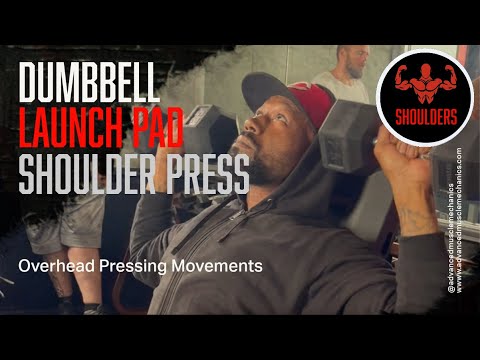 ▶ Watch demonstration
Use a contoured torso contact surface within a familiar pressing pattern.
Set the positionCenter the pad on a compatible support and secure it before positioning the head, torso and feet. Recheck rack height or handle reach after adding the pad.
Coach the repetitionKeep the chosen grip, touch point and range repeatable. Start with a load that lets you evaluate the changed setup.
Check the configurationThe raised contact surface changes the athlete’s relationship to the bar or handles. Confirm clearance and a controlled exit before loading.
 ▶ Watch demonstration
Use a contoured torso contact surface within a familiar pressing pattern.
Set the positionCenter the pad on a compatible support and secure it before positioning the head, torso and feet. Recheck rack height or handle reach after adding the pad.
Coach the repetitionKeep the chosen grip, touch point and range repeatable. Start with a load that lets you evaluate the changed setup.
Check the configurationThe raised contact surface changes the athlete’s relationship to the bar or handles. Confirm clearance and a controlled exit before loading.
 ▶ Watch demonstration
Use support to make shoulder accessory work easier to organize and repeat.
Set the positionSet the bench angle and contact position, then check arm and cable clearance with little resistance.
Coach the repetitionMove through the intended arc without substituting a large torso swing. Use the same support position each set.
Check the configurationThe support is a positioning option; it does not establish one ideal shoulder angle or guarantee isolated muscle recruitment.
 ▶ Watch demonstration
Use support to make shoulder accessory work easier to organize and repeat.
Set the positionSet the bench angle and contact position, then check arm and cable clearance with little resistance.
Coach the repetitionMove through the intended arc without substituting a large torso swing. Use the same support position each set.
Check the configurationThe support is a positioning option; it does not establish one ideal shoulder angle or guarantee isolated muscle recruitment.
 ▶ Watch demonstration
Use support to make shoulder accessory work easier to organize and repeat.
Set the positionSet the bench angle and contact position, then check arm and cable clearance with little resistance.
Coach the repetitionMove through the intended arc without substituting a large torso swing. Use the same support position each set.
Check the configurationThe support is a positioning option; it does not establish one ideal shoulder angle or guarantee isolated muscle recruitment.
 ▶ Watch demonstration
Use support to make shoulder accessory work easier to organize and repeat.
Set the positionSet the bench angle and contact position, then check arm and cable clearance with little resistance.
Coach the repetitionMove through the intended arc without substituting a large torso swing. Use the same support position each set.
Check the configurationThe support is a positioning option; it does not establish one ideal shoulder angle or guarantee isolated muscle recruitment.
05 · Fit the session
Name the movement and the reason for changing the support.
Record the contact, equipment settings and intended range.
Use an effort and volume appropriate to the current program.
Evaluate control and performance before changing another variable.
Continue exploring
Advanced Muscle Mechanics®
Explore the product, understand the setup and choose the applications that belong in your training.