Can staff select and reproduce settings quickly?
Adjustment visibility, surface selection, athlete turnover, coaching cues, and session flow matter as much as mechanical capability.


A serious facility conversation begins with athletes, workflow, floor space, storage, staffing, procurement, and deployment—not with asking how quickly a prototype can be shipped.
Joint Ops™ is in prototype, DFM, and validation. This pathway is for qualified collegiate, professional, tactical, school, commercial, performance, and clinical training environments interested in pilot feedback, multi-unit planning, or institutional customization.
The right environment can expose the decisions production engineering has to get right before scale.
Adjustment visibility, surface selection, athlete turnover, coaching cues, and session flow matter as much as mechanical capability.
Torso length, seat relationship, training age, bench angle, exercise choice, and program intention should reveal whether the adjustment architecture is useful—not merely extensive.
Transport balance, self-supporting vertical storage, floor protection, service access, labels, maintenance, and staff handoff must work in the room.
Unit count, replacement cycle, purchasing method, staff education, evidence, customization, warranty expectations, and total deployment all affect adoption.
These pathways describe how interest can be qualified. They do not promise availability, quantity, timing, pricing, or a specific commercial structure.
For respected coaches or practitioners who can help identify workflow, adjustment, education, and athlete-fit friction before production.
For facilities positioned to host or attend a controlled demonstration and evaluate the platform’s functional logic without treating it as a final unit.
For qualified environments prepared to document setup, use, transport, storage, staff adoption, and practical performance questions under an agreed plan.
For rooms considering several stations, procurement lead times, standardized settings, custom identity, staff education, and phased deployment.
For programs that need durable, repeatable equipment and a clear pathway through procurement, field use, education, and operational review.
For qualified professionals evaluating a different contact environment. Joint Ops™ remains a performance platform; clinical use stays within professional judgment.
Who trains on the platform, at what volume, and under what supervision?
How many benches, racks, and simultaneous users shape the deployment?
Floor plan, storage, transport path, rack compatibility, and traffic flow.
Specific testing, strength development, volume, hypertrophy, tactical readiness, or broad member use.
Budget cycle, approval process, purchasing vehicle, lead time, and required documentation.
Who trains staff, maintains settings, communicates modes, and supports adoption?
Program identity, colors, asset tags, serial references, and room consistency.
What can be documented objectively, by whom, and on what timeline?
What operational question must a pilot answer before a larger commitment?
Update list, demonstration, requirement call, pilot review, or future purchasing discussion.
Preserve conventional support while adding selectable performance geometry in the same station.
Core platform requirementPermanent back, seat, lumbar, and fore-aft markings intended to improve staff communication and repeatability.
Final positions subject to validationWheel, handle, balance, upright storage, and floor-contact requirements designed around institutional movement.
DFM target in progressReplaceable feet, durable locks, accessible components, and clear equipment identity.
Component selection in progressMode selection and settings should be easy to teach without turning every set into a mechanical lesson.
Workflow validation requiredColor, side-rail, plate, and serialized-asset pathways for qualified institutional orders.
MOQ and production limits TBDPublished Launch Pad® research remains separate from Joint Ops™ outcomes until platform-specific evidence exists.
No borrowed resultsSetup guides, mode language, staff training, research resources, and use boundaries should accompany deployment.
Support system plannedThe more specific the environment, the more useful the conversation. This form does not reserve a unit or guarantee a pilot.
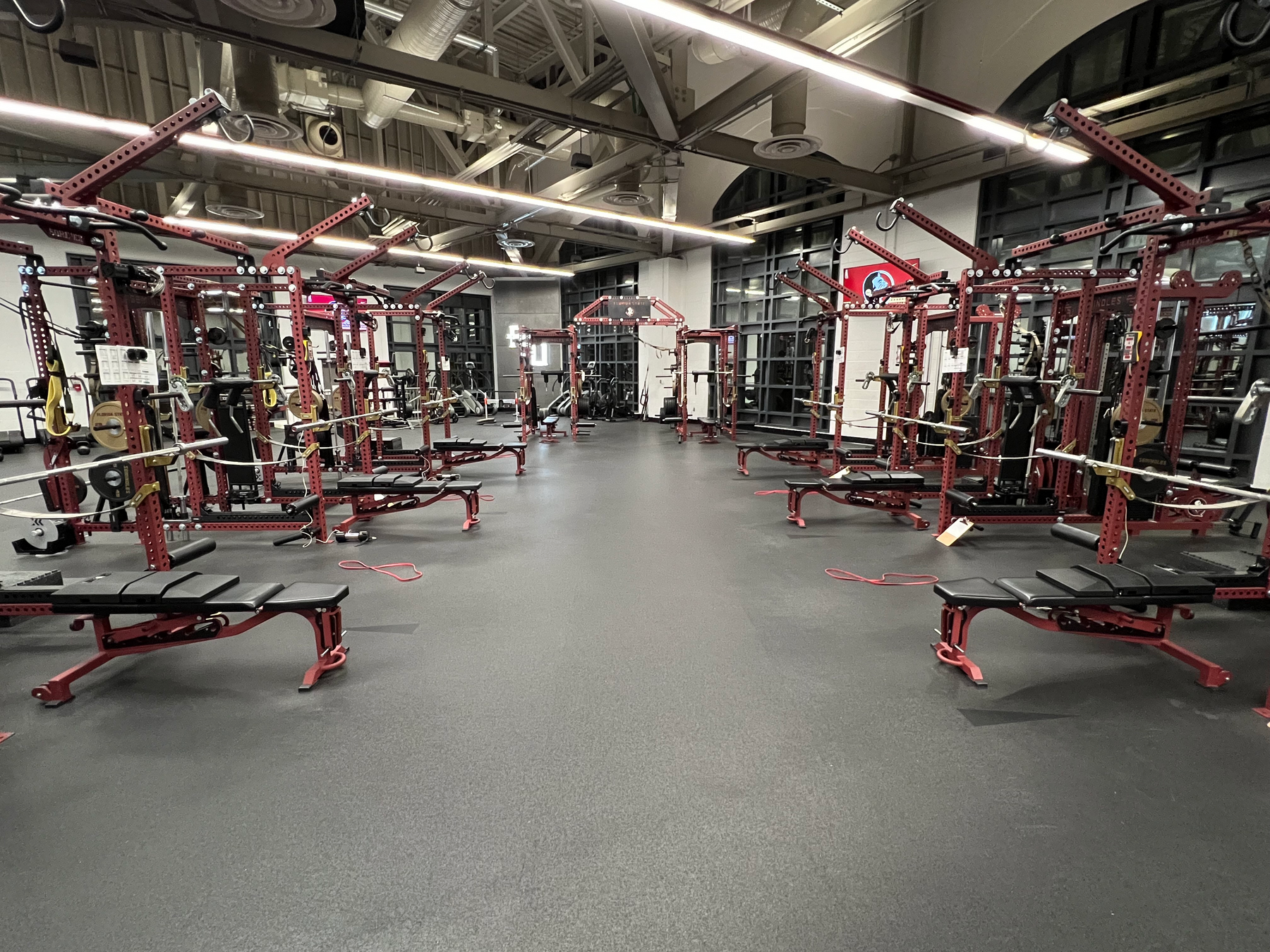
The Launch Pad® gives facilities an available-now way to add a patented Performance Interface™ without replacing the bench fleet. Joint Ops™ is the integrated future; The Launch Pad® is the current deployment path.